Southall exhibition shines light on controversial ‘bussing out’ policy
Fri 05 Jun 2026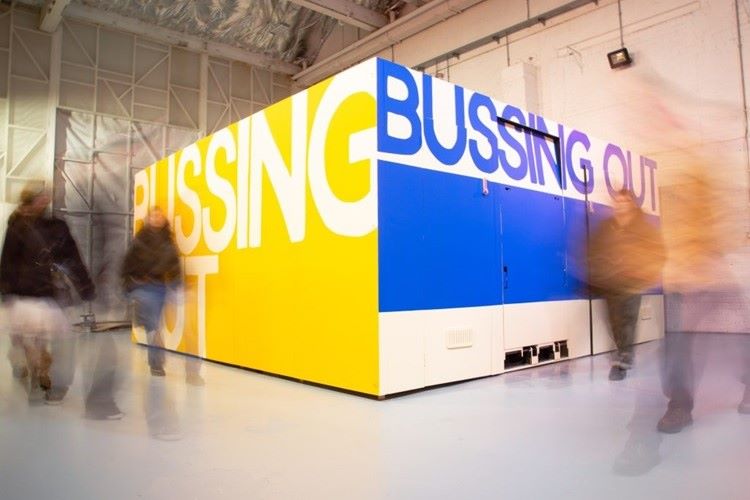
The controversial education policy was in place across parts of Britain from the 1960s to the early 1980s.
The immersive installation, Bussing Out, opened this month at the Dominion Centre on The Green and will remain on display until 27 June. The exhibition examines the impact of the so-called "bussing out" scheme, which was introduced in several areas of the country as part of efforts to manage school populations and promote integration.
Ealing was one of only 11 areas across the UK to implement the policy. During that period, children from Southall were regularly taken by bus to schools in areas including Northolt, Greenford and North Ealing. While the policy was presented as a way of encouraging integration, many former pupils later described experiences of racism, bullying and exclusion after being separated from their local schools and communities.
Immersive installation
Created by artist and researcher Dr Shabina Aslam, the exhibition is based on extensive research and first-hand testimonies from people affected by the policy. Southall is the only London venue hosting the installation as part of a national tour.
At the centre of the exhibition is a recreated 1970s-style school bus designed to place visitors inside the experience of children who were transported to schools outside their neighbourhoods. Through a combination of audio recordings, film, animation and photography, visitors are taken on a simulated school journey inspired by real accounts from former pupils.
The installation combines personal memories with historical context, allowing audiences to hear stories from people who lived through the bussing programme and to reflect on its wider social impact.
According to the organisers, the project aims to highlight a chapter of British history that remains unfamiliar to many people today despite affecting thousands of families across the country.
Personal stories and lasting impact
Research collected for the exhibition highlights a range of experiences among those who were involved in the scheme. Some former pupils recalled feeling isolated after being moved away from their local communities, while others described practical difficulties associated with long journeys to and from school.
Many accounts also refer to experiences of prejudice and discrimination. Former pupils have spoken about feeling visibly different from their classmates and becoming more aware of racial divisions after being transferred to schools where very few children shared their backgrounds.
The exhibition seeks to document these experiences through the voices of those who lived through them, while encouraging discussion about race, identity, belonging and equality in modern Britain.
Dr Aslam said audiences who have visited the installation elsewhere in the country are often surprised that such a policy existed and are struck by the personal stories shared through the exhibition.
National tour
The Southall exhibition forms part of a wider national tour taking place between 2025 and 2027. The project is scheduled to visit six locations across England, including areas with historical connections to the bussing policy.
Funding for the tour has been provided by Arts Council England and The National Lottery Heritage Fund.
Organisers say the installation aims not only to preserve historical memory but also to encourage conversations about how communities are shaped by public policy and how historical experiences continue to influence present-day discussions around inclusion and opportunity.
Local history
The bussing policy eventually came to an end in Ealing in 1981 following campaigning by local residents and community organisations, including the Indian Workers' Association. The campaign became an important moment in Southall's history and is often cited as an example of local activism challenging discriminatory practices.
Today, Southall is recognised as one of London's most diverse communities, and the exhibition offers residents an opportunity to explore an important part of the area's past through the stories of those who experienced it firsthand.
Bussing Out is open at the Dominion Centre, 112 The Green, Southall, until 27 June. Admission is free. Organisers note that while the exhibition contains moments of humour and reflection, some visitors may find aspects of the subject matter emotional.
Opening Hours
Monday – 09:00-17:00
Tuesday – 09:00-20:00
Wednesday – 09:00-17:00
Thursday – 14:00-20:00
Friday – 09:00-17:00
Saturday – 10:00-17:00
Sunday – CLOSED
Southall has a rich history of its own and many local heroes who were not simply witnesses to events but active participants in shaping the area's future.
Figures such as Balraj Purewal of the Southall Movement, Suresh Grover of The Monitoring Group, Pragna Patel of Southall Black Sisters, and the Indian Workers’ Association helped challenge racism, discrimination and inequality, while building organisations whose influence extended far beyond Southall itself. Their legacy remains an important part of the town's story.
If you have a local news story, share it with the rest of Southall, by using the contact form.